

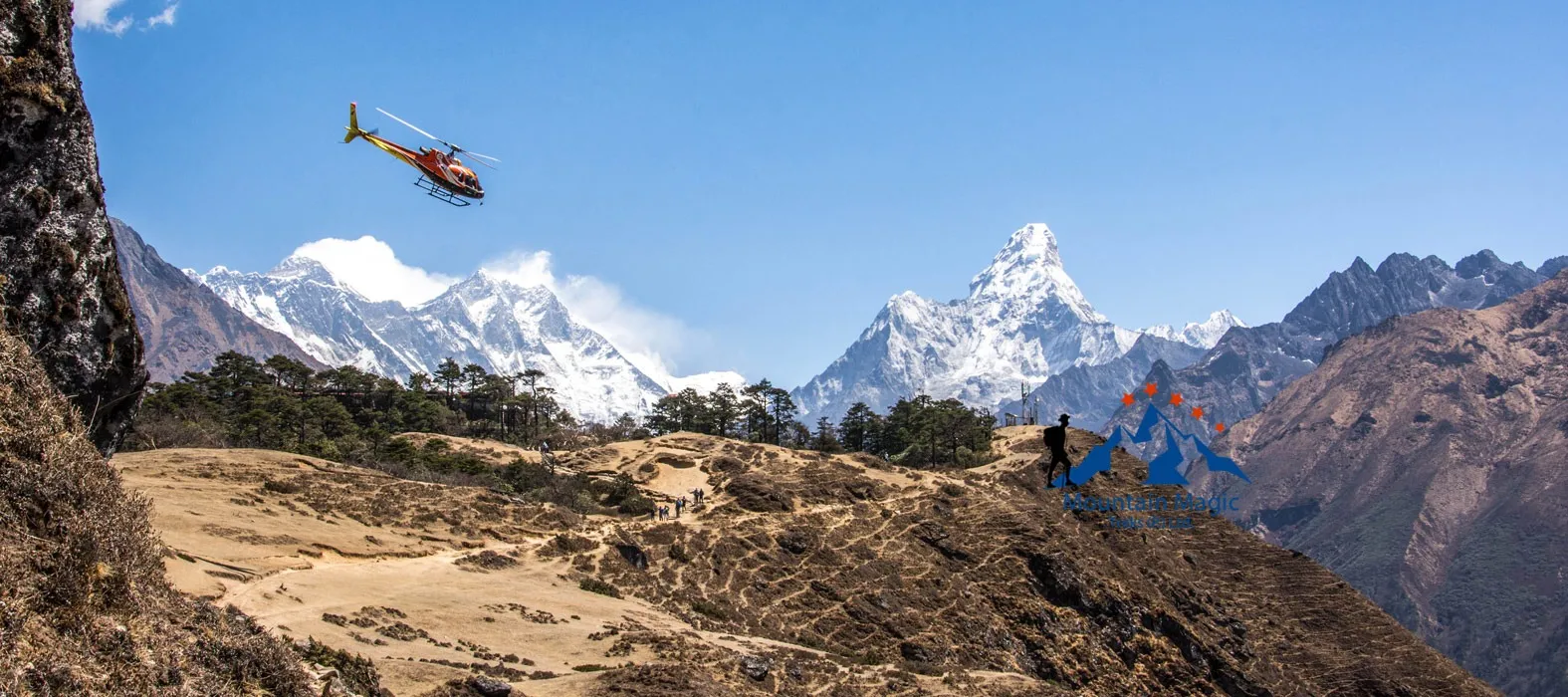
The upper section of the Everest region brings trekkers into a landscape that looks very different from the lower Khumbu Valley. Trees become scarce, settlements are farther apart, and the trail passes through rocky ground shaped by glaciers and harsh mountain weather. The journey from Lobuche to Gorakshep is one of the most important sections because it leads to the final overnight stop before Everest Base Camp.
This part of the Everest Base Camp Trek with Helicopter Return requires careful walking and attention to changing conditions. The distance may not look especially long on a map, but the high elevation makes every uphill section more demanding.
Understanding this route helps travelers know what to expect before reaching Gorakshep and continuing toward Everest Base Camp.
Leaving Lobuche and Entering the Upper Khumbu Landscape
Lobuche sits at approximately 4,940 meters above sea level. It is one of the last major overnight settlements before Gorakshep and an important stopping point in the upper part of the trekking route.
The trail leaving Lobuche passes through an open mountain environment with limited vegetation. Rocky slopes, loose stones, and wide views of surrounding peaks become common features.
What Makes This Section Different?
Unlike the lower trail near Phakding and Namche Bazaar, this area has fewer trees and less shelter from wind. The landscape is more exposed, and temperatures can change quickly.
Trekkers should expect:
-
Rocky and uneven walking surfaces.
-
Sections with loose stones.
-
Strong sunlight during clear weather.
-
Cold conditions, especially in the morning.
-
Fewer facilities compared with larger villages.
A steady walking speed is more useful than trying to cover the distance quickly.
Understanding the Elevation Between Lobuche and Gorakshep
Gorakshep stands at approximately 5,164 meters. The elevation gain from Lobuche is relatively modest compared with earlier climbs, but the higher starting altitude makes the journey physically demanding.
At this height, the body receives less oxygen with each breath than it does at sea level. Even people with good fitness may notice that their walking speed becomes slower.
Why a Short Distance Can Feel Difficult
Several factors affect the effort required:
-
Reduced oxygen availability: The body must work harder during physical activity.
-
Uneven ground: Loose stones and rough surfaces require careful steps.
-
Cold air: Low temperatures can make outdoor activity uncomfortable.
-
Limited vegetation: The exposed trail offers fewer natural wind barriers.
-
Previous walking days: Physical tiredness can build during the journey.
The guide should help manage the pace and decide when rest stops are appropriate.
The Route’s Connection with the Khumbu Glacier
The upper trail passes through a landscape strongly influenced by the Khumbu Glacier and surrounding glacial deposits.
Glaciers move slowly over long periods, carrying rock and soil along their paths. When this material is deposited, it creates uneven ridges and areas of loose debris known as moraines.
These features help explain why the terrain near Gorakshep looks rough and rocky.
Why the Ground Is Not Always Stable
The surface may contain small stones, gravel, and larger rocks. Some areas can shift underfoot, particularly where the trail crosses loose deposits.
Trekkers should:
-
Watch the ground instead of walking while looking at a phone.
-
Avoid stepping on unstable rock edges.
-
Leave enough space between people on narrow sections.
-
Follow the route selected by the guide.
-
Avoid walking onto glacier surfaces without proper guidance.
The Everest Base Camp Trek with Helicopter Return takes place in a changing natural environment, so the exact appearance of the trail may differ between seasons.
Reaching Gorakshep: The Final Overnight Settlement
Gorakshep is located at approximately 5,164 meters and serves as the main overnight settlement for trekkers visiting Everest Base Camp.
Facilities here are more limited than those found in Namche Bazaar or Kathmandu. The settlement mainly supports people traveling toward Everest Base Camp and Kala Patthar.
What Accommodation Is Like
Mountain teahouses provide basic facilities for overnight stays. Room arrangements, bathroom access, heating, and hot water can vary depending on the lodge and operating conditions.
Travelers should not expect the same level of comfort available in city hotels.
The package includes mountain teahouse accommodation, but travelers should confirm the exact lodging arrangements and room-sharing details with the operator.
Why Gorakshep Matters to the Itinerary
Gorakshep is more than a place to sleep. Its location makes it a practical base for the next walking sections:
-
The trail toward Everest Base Camp.
-
The ascent toward Kala Patthar.
-
The return to the settlement before helicopter departure, depending on the confirmed itinerary.
From Gorakshep to Everest Base Camp
Everest Base Camp stands at approximately 5,364 meters. The walking route from Gorakshep passes through rocky terrain near the Khumbu Glacier.
The path can include uneven surfaces and sections where the trail changes with glacier conditions. It is important to follow the guide rather than attempting shortcuts.
What Trekkers Find at Base Camp
Everest Base Camp is a staging area used by mountaineering teams during climbing seasons. Temporary expedition structures may be visible when teams are operating there.
The area is not a developed tourist town. Facilities are limited, and visitors should respect expedition activities, marked areas, and the natural surroundings.
Reaching the base camp is a significant part of the journey, but it does not mean reaching the summit of Mount Everest.
How the Helicopter Return Fits After the Upper Trail
One defining feature of this itinerary is the helicopter return from the Gorakshep area toward Kathmandu.
After completing the planned walking sections, travelers prepare for the flight according to the operator’s instructions. The helicopter arrangement may involve shared or private services, depending on the package and operational conditions.
The flight is affected by several factors:
-
Weather and visibility.
-
Wind conditions.
-
Aircraft performance at high elevation.
-
Passenger and baggage weight.
-
Landing area conditions.
-
Aviation safety decisions.
The Everest Base Camp Trek with Helicopter Return therefore requires flexibility. A planned flight time is not an absolute guarantee that the helicopter can operate at that exact time.
Travelers should also understand that a scheduled return flight is different from an emergency evacuation. Appropriate travel insurance remains important throughout the trek.
Practical Details to Understand Before Reaching Gorakshep
The final section of the route is demanding because of its elevation and exposed terrain. A few practical points can help travelers prepare for the conditions.
Keep Walking Equipment Accessible
Trekking poles can provide support on uneven ground. Gloves, warm layers, sunglasses, and sun protection should also be easy to reach.
Follow the Guide’s Route Instructions
The guide understands local trail conditions and can advise where to walk, when to stop, and how to respond if weather changes.
Pay Attention to Altitude Symptoms
Headaches, nausea, dizziness, and unusual tiredness should not be ignored. Severe symptoms, including confusion or difficulty walking, require urgent medical attention and descent or evacuation as directed by qualified personnel.
Check Helicopter Arrangements
Before the trek, confirm the expected departure point, baggage allowance, passenger arrangements, and what happens if weather prevents the flight.
Final Thoughts
The trail from Lobuche to Gorakshep marks the transition into one of the highest and most exposed parts of the Everest trekking route. Its rocky surface, limited facilities, and reduced oxygen availability make it more demanding than the lower sections of the Khumbu Valley.
The Everest Base Camp Trek with Helicopter Return connects this final walking section with visits to Everest Base Camp and Kala Patthar, followed by a planned helicopter journey toward Kathmandu. Knowing the role of Gorakshep, the condition of the upper trail, and the limits of helicopter operations helps travelers approach this part of the journey with realistic expectations.
Frequently Asked Questions
1. How high is Lobuche?
Lobuche is approximately 4,940 meters above sea level. It is an important overnight stop before the route continues to Gorakshep.
2. How high is Gorakshep?
Gorakshep is located at approximately 5,164 meters. It is the final major overnight settlement before Everest Base Camp.
3. Is the trail from Lobuche to Gorakshep difficult?
It can be demanding because of the high elevation, rocky ground, and reduced oxygen availability. Walking slowly and following the guide’s instructions are important.
4. Can visitors stay overnight in Gorakshep?
Yes. Basic mountain teahouses provide overnight accommodation. Facilities are limited and may vary depending on the lodge and season.
5. Does the helicopter leave directly from Everest Base Camp?
The planned return flight is arranged from the Gorakshep area, not from the Everest summit or necessarily from the base camp itself. The exact departure arrangements depend on the operator and flight conditions.