

Introduction
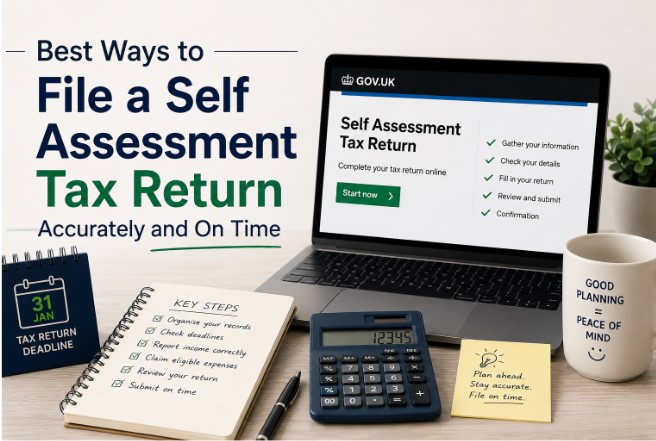
Filing a tax return can feel overwhelming, especially for self-employed individuals, freelancers, landlords, and business owners who must report their income correctly to HMRC. However, filing self assessment tax return forms accurately and on time is essential to avoid penalties, reduce stress, and maintain compliance with UK tax regulations.
Many taxpayers make mistakes because they leave their returns until the last minute, fail to keep accurate records, or overlook allowable expenses. These errors can lead to delays, fines, and even unnecessary tax payments. Taking a proactive approach throughout the year makes the process much easier and ensures that all financial information is readily available when needed.
Professional support can also make a significant difference. Many individuals and businesses use trusted UK-based accounting platforms such as Account Ease to connect with experienced accountants who can help prepare and review tax returns accurately. Expert guidance helps taxpayers understand their obligations, claim eligible deductions, and submit returns with confidence.
This article explores the best ways to ensure filing self assessment tax return documents is straightforward, accurate, and completed before HMRC deadlines.
Understand Whether You Need to File a Tax Return
The first step is determining whether a Self Assessment tax return is required. HMRC typically requires tax returns from self-employed individuals, company directors, landlords, and people with additional untaxed income.
Common reasons for filing include:
- Self-employment income
- Rental property income
- Foreign income
- Partnership income
- High levels of savings or investment income
Understanding tax obligations early helps avoid missed deadlines and compliance issues.
Keep Accurate Financial Records Throughout the Year
One of the most effective ways to simplify filing self assessment tax return documents is maintaining organised financial records.
Important records include:
- Invoices and receipts
- Bank statements
- Business expenses
- Employment income documents
- Pension contributions
Keeping records updated throughout the year reduces errors and saves valuable time when preparing a tax return.
Track Allowable Expenses Carefully
Many taxpayers pay more tax than necessary because they fail to claim allowable expenses. Understanding which costs can be deducted helps reduce taxable income legally and efficiently.
Examples may include:
- Office expenses
- Business travel costs
- Professional subscriptions
- Equipment purchases
- Marketing and advertising expenses
Accountants recommended through Account Ease often help individuals identify eligible expenses and maximise tax efficiency while remaining compliant with HMRC requirements.
Register and Prepare Well Before Deadlines
Leaving tax preparation until the final weeks before submission can increase the risk of mistakes and unnecessary stress.
To stay organised:
- Register for Self Assessment early if required
- Gather financial documents in advance
- Review income and expense records regularly
- Set reminders for important deadlines
Preparing early makes filing self assessment tax return forms significantly easier and reduces the chance of missing key information.
Use Digital Accounting Tools
Modern accounting software can simplify tax management and improve accuracy. Digital systems help taxpayers track income, organise expenses, and generate reports throughout the year.
Benefits include:
- Automated record keeping
- Real-time financial tracking
- Secure document storage
- Easier tax calculations
- Improved reporting accuracy
Many accountants connected with Account Ease recommend cloud-based accounting tools to streamline tax preparation and financial management.
Double-Check Information Before Submission
Simple errors can cause delays, penalties, or HMRC enquiries. Before submitting a return, it is important to review all information carefully.
Check the following:
- Personal details
- Income figures
- Expense claims
- Tax calculations
- Supporting documentation
Taking time to verify information improves accuracy and helps ensure a smooth submission process.
Consider Professional Accounting Support
Tax regulations can be complex, especially for individuals with multiple income sources or growing businesses. Professional accountants provide valuable expertise and reduce the risk of errors.
Benefits of professional support include:
- Accurate tax return preparation
- Guidance on allowable expenses
- Compliance with HMRC regulations
- Reduced risk of penalties
- Time savings and peace of mind
Experienced accountants can make filing self assessment tax return requirements much easier while helping taxpayers optimise their financial position.
Stay Aware of HMRC Deadlines
Missing deadlines can result in automatic penalties, even when no tax is owed. Understanding important dates helps taxpayers remain compliant.
Good practices include:
- Setting calendar reminders
- Preparing documents early
- Reviewing finances regularly
- Seeking professional assistance when needed
Staying organised ensures timely submissions and avoids unnecessary charges.
Conclusion
Completing a tax return does not need to be stressful. By keeping accurate records, tracking expenses, preparing early, and reviewing information carefully, taxpayers can make filing self assessment tax return documents much more manageable and accurate.
Professional guidance can further simplify the process and help individuals avoid common mistakes. Many taxpayers choose to work with accountants found through Account Ease to ensure compliance and improve tax efficiency. Whether self-employed, a landlord, or a business owner, taking a proactive approach to filing self assessment tax return obligations helps avoid penalties, reduce stress, and maintain strong financial organisation.
FAQs
1. Who needs to file a Self Assessment tax return?
Self-employed individuals, landlords, company directors, and those with additional untaxed income may need to submit a Self Assessment tax return.
2. What happens if a tax return is filed late?
HMRC may issue penalties and interest charges for late submissions, even if no tax is owed.
3. Can allowable expenses reduce tax liability?
Yes, claiming eligible business expenses can reduce taxable income and potentially lower the amount of tax due.
4. Should I use an accountant for my tax return?
An accountant can help ensure accuracy, identify tax-saving opportunities, and keep taxpayers compliant with HMRC requirements.